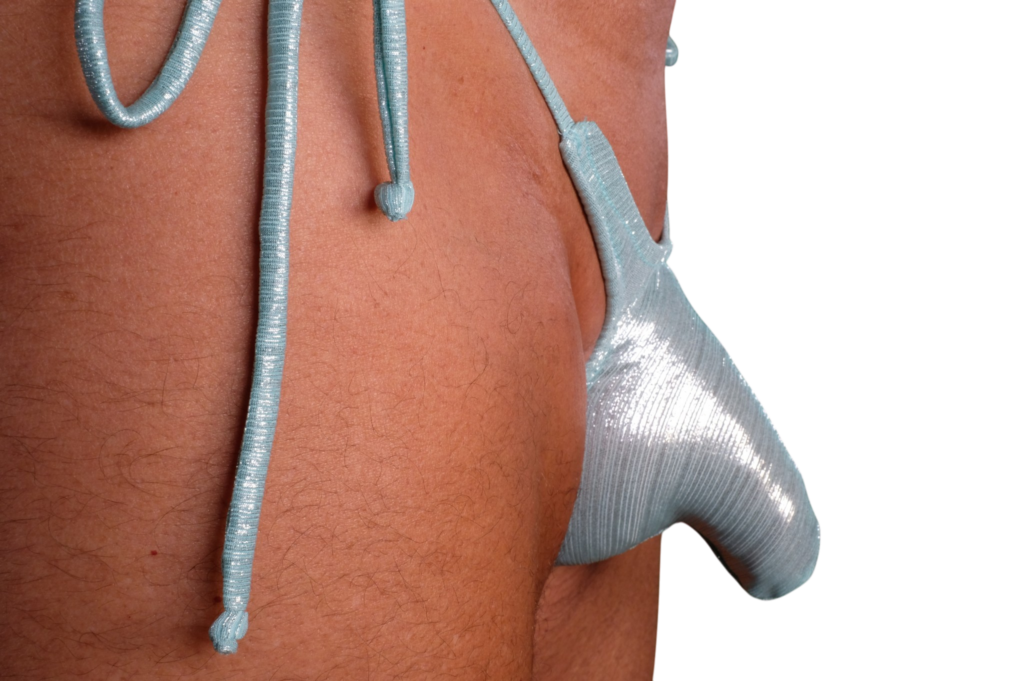
Men’s Spandex: Latest Swimwear Trends
A Comprehensive Guide to Bikinis, Thongs, G-Strings, Mini Shorts, Micro & Ultra-Micro Designs—with Advanced Pouch Engineering
The Evolution of Men’s Spandex Swimwear
Men’s swimwear has shifted dramatically from loose, coverage-focused designs to precision-fitted, body-conscious spandex styles. What began with the widespread adoption of swim briefs has expanded into a full spectrum of silhouettes that prioritize:
- Fit and contour
- Minimalism and reduction
- Fabric performance
- Visual shaping through design
Today’s spandex swimwear is not just about swimming—it is about presentation, identity, and engineered aesthetics.
Core Swimwear Design Categories (Expanded)
1. Bikini Briefs (Modernized Classics)
The modern men’s bikini is far more refined than earlier versions.
Design variations:
- Low-rise bikinis: Sit below the hips, elongating the torso
- Ultra-low-rise cuts: Minimal waistband height, often paired with narrow sides
- High-cut leg bikinis: Expose more thigh, creating a sharper V-shape
- Euro-cut bikinis: Slightly fuller rear than a thong but still minimal
Construction details:
- Seam placement determines shaping (center seam vs darted pouch)
- Waistbands range from elastic bands to seamless folded edges
- Side widths vary from 1 inch down to string-thin
These are often considered the gateway style into more minimal swimwear.
2. Thongs (Rear Reduction with Structural Front)
Thong swimwear focuses on reducing rear coverage while maintaining a structured front.
Design variations:
- T-back thong: Classic triangular front with narrow rear strip
- Y-back thong: Rear strap splits slightly higher for better tension distribution
- Brazilian thong hybrid: Slightly more rear fabric than a thong but less than a brief
Technical considerations:
- Rear strap tension affects comfort and fit
- Waistband anchoring prevents shifting during movement
- Often paired with enhancing or contour pouches
Thong designs are increasingly engineered for both aesthetics and wearability, not just minimalism.
3. G-Strings (Extreme Minimal Back)
G-strings push minimalism further than thongs.
Design elements:
- String-thin rear strap
- Narrow waistband (often elastic cord or string tie)
- Minimal front triangle or micro pouch
Variations:
- String-tie G-strings: Adjustable side ties
- Fixed waistband G-strings: Sleeker, more stable fit
- Micro front G-strings: Reduced front panel to near pouch-only coverage
These designs rely heavily on precise pouch construction, since the rest of the garment offers minimal structure.
4. Mini Spandex Shorts (Compression Hybrid)
Mini shorts combine athletic styling with swimwear functionality.
Design variations:
- Square-cut shorts: Straight leg openings, slightly longer
- Ultra-short minis: 2–3 inch inseams
- Contour shorts: Shaped front panels similar to underwear
Construction features:
- Double-layer front panels for support
- Flatlock seams to reduce chafing
- Compression fit for muscle definition
These are popular among men who want coverage with a sculpted look.
5. Micro Swimwear (Precision Minimalism)
Micro swimwear is engineered to reduce fabric while maintaining structural integrity.
Design characteristics:
- Narrow side straps (often under 1 inch)
- Reduced front panel with tight contouring
- Minimal rear coverage (brief, thong, or string variants)
Design innovations:
- Hidden seams to maintain clean lines
- Stretch-maximized fabric to allow smaller cuts
- Strategic shaping to prevent shifting
Micro designs emphasize proportion and illusion, not just size reduction.
6. Ultra-Micro & Experimental Designs
At the extreme end are ultra-micro and conceptual swimwear styles.
Design approaches:
- Pouch-only structures: Fabric limited almost entirely to the front
- Floating waistbands: Minimal connection between front and back
- String frameworks: Fabric suspended by ultra-thin cords
Advanced concepts:
- Optical shaping (creating illusions of size or flatness)
- Extreme reduction while maintaining wearability
- Hybridization with lingerie or performance wear
These designs are often seen in niche fashion, performance, or specialty markets.
Advanced Pouch Design Breakdown
The pouch is the most technically sophisticated part of modern men’s swimwear. It defines comfort, appearance, and overall style.
1. Flat / Compression Pouch
- Presses close to the body
- Used in athletic and gender-neutral styles
- Often double-lined for stability
2. Contour (Anatomical) Pouch
- Pre-shaped using curved seams
- Reduces need for adjustment
- Balances support and natural appearance
3. Enhancing / Lifting Pouch
- Uses vertical seams or internal shaping panels
- Lifts and projects forward
- Often paired with micro or thong designs
4. U-Shape / Ergonomic Pouch
- Curved “U” seam underneath
- Separates and supports naturally
- Reduces compression and improves airflow
5. V-Shape Pouch
- Angled seams create a forward-pointing profile
- Often used in fashion-forward designs
- Enhances visual sharpness of the front
6. Micro Pouch
- Extremely compact
- Designed to hold everything tightly in place
- Requires high-stretch fabrics and precise tailoring
7. Double-Layer / Lined Pouch
- Outer aesthetic layer + inner support layer
- Provides modesty and structure
- Common in higher-end swimwear
8. Sheer / Mesh Pouch
- Transparent or semi-transparent fabrics
- Becomes more revealing when wet
- Focused on visual effect rather than concealment
9. Compression Flattening Pouch
- Minimizes projection
- Used in gender-fluid or MTF-inspired designs
- Often combined with strong elastic control
10. Sling / Lift Pouch Systems
- Internal straps or panels provide lift
- Found in more engineered or premium designs
- Enhances both comfort and presentation
Additional Design Elements That Define Modern Styles
Waistband Engineering
- Encased elastic: Clean, minimal look
- Exposed elastic bands: Sporty aesthetic
- String ties: Adjustable and minimal
Side Construction
- Wide sides (traditional briefs) → ultra-thin strings (micro styles)
- Seamless sides for reduced friction
- Adjustable ties for custom fit
Rear Coverage Variations
- Full brief
- Half-back / Brazilian
- Thong
- G-string
- Strap-back or open-back concepts
Seam Placement
- Center seams create natural contour
- Side seams allow for shaping panels
- Seamless designs rely on fabric stretch instead
Fabric & Material Innovation
Modern spandex swimwear depends on high-performance materials:
- Nylon-Spandex blends: Smooth, durable, highly elastic
- Polyamide fabrics: Silky feel with strong stretch recovery
- Chlorine-resistant blends: Longer-lasting for pool use
- Ultra-light microfibers: Enable ultra-micro designs
- Mesh and sheer textiles: Add breathability and visual effect
Fabric choice directly impacts:
- Stretch capacity
- Dry time
- Fit precision
- Comfort during movement
Why Men Are Moving Toward Smaller Designs
1. Aesthetic Shift
Men’s fashion is embracing body-conscious silhouettes, similar to trends long seen in women’s swimwear.
2. Performance Benefits
Less fabric means:
- Faster drying
- Less drag in water
- Greater freedom of movement
3. Global Style Influence
Regions like Brazil and parts of Europe have normalized smaller swimwear, influencing global adoption.
4. Expanded Availability
Online retail has made niche designs widely accessible, allowing experimentation beyond traditional store offerings.
The Future of Men’s Spandex Swimwear
Looking forward, several trends are likely to define the next phase:
- Further refinement of pouch engineering
- More hybrid styles blending swimwear and underwear
- Growth of ultra-minimal and experimental designs
- Customization (fit, pouch type, fabric combinations)
Final Perspective
Men’s spandex swimwear has evolved into a highly specialized and diverse category. From classic bikini briefs to ultra-micro concepts, the range of options now reflects a deeper focus on:
- Engineering
- Fit
- Aesthetics
- Personal expression
At the center of it all is the pouch, which has transformed from a simple functional element into the defining feature of modern swimwear design.