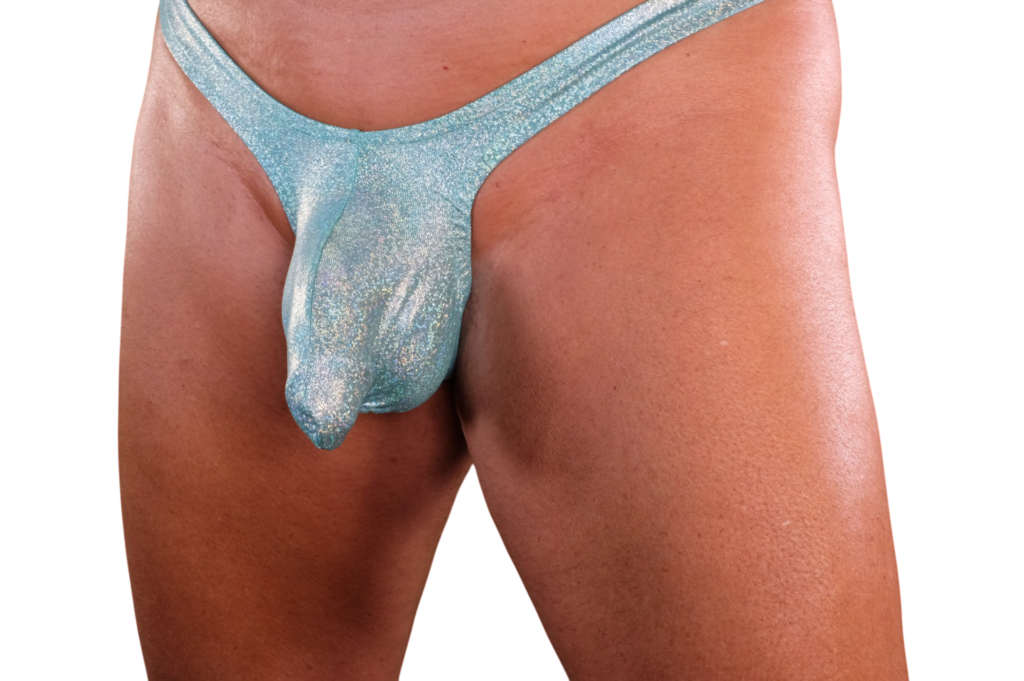
Men’s Spandex Swimwear: From Classic Performance Wear to the Most Extreme Swim Styles on the Planet
Introduction
Few fabrics have transformed men’s swimwear as dramatically as spandex. What began as a revolutionary performance material for competitive swimmers has evolved into the foundation of virtually every modern swimwear category, from conservative swim briefs to the most extreme micro bikinis imaginable.
Today, spandex swimwear is no longer confined to the Olympic pool. It has become a fashion statement, a lifestyle choice, and for many enthusiasts, a passion. The stretch, comfort, body-hugging fit, and ability to create daring designs have pushed men’s swimwear far beyond the simple trunks that dominated beaches for decades.
The modern world of men’s spandex swimwear now includes everything from athletic briefs and racing bikinis to ultra-micro thongs, G-strings, pouch-enhancing designs, gender-neutral styles, and MTF transformation swimwear that challenge traditional ideas of what men’s swimwear can be.
Why Spandex Changed Everything
Before spandex became common, swimwear fabrics were often heavier, slower to dry, and less capable of creating form-fitting designs.
Spandex offered several advantages:
- Incredible stretch
- Shape retention
- Lightweight construction
- Fast drying
- Durability
- Body contouring fit
- Freedom of movement
The result was swimwear that felt like a second skin.
For many men, once they experience a properly fitted spandex swimsuit, traditional board shorts feel bulky and restrictive by comparison.
The Evolution from Speedos to Extreme Swimwear
For years, the swim brief represented the smallest mainstream men’s swimsuit available.
The classic racing brief became synonymous with:
- Competitive swimming
- European beach fashion
- Athletic performance
Then designers began experimenting.
They reduced side widths.
They lowered waistlines.
They trimmed fabric from the rear.
And an entirely new category emerged.
The era of micro swimwear had begun.
The Modern Spandex Bikini
Today’s men’s spandex bikini is far removed from the basic swim briefs of the past.
Modern designs often feature:
- Low-rise cuts
- Narrow side bands
- Contoured pouches
- High-cut legs
- Minimal rear coverage
The goal is a sleek, body-conscious appearance that showcases the physique rather than hiding it.
Many men who once wore trunks exclusively now prefer bikinis because of their comfort and freedom.
Enter the Micro Bikini
The micro bikini takes minimalism to another level.
Characteristics include:
- Tiny front panels
- Reduced side coverage
- Smaller rear cuts
- Enhanced tanning potential
These designs have become increasingly popular among men who enjoy bold swimwear and dislike excessive fabric.
Micro bikinis emphasize the body’s natural lines while maintaining practical support for swimming and beach activities.
Ultra-Micro: The Edge Begins
This is where swimwear begins to move from mainstream fashion into enthusiast territory.
Ultra-micro swimsuits often use astonishingly small amounts of fabric.
Features may include:
- Extremely narrow fronts
- Tiny side strings
- Minimal rear coverage
- Body-contouring construction
Some ultra-micro designs use less fabric than many women’s bikinis.
For wearers, the appeal is often a combination of:
- Maximum freedom
- Minimal tan lines
- Confidence
- Fashion experimentation
These styles are not for everyone, but they have developed a devoted following.
Thongs and G-Strings
Spandex makes thong swimwear possible.
The fabric’s stretch and recovery allow designers to create incredibly small garments that remain surprisingly secure.
Popular categories include:
Traditional Swim Thongs
Offering:
- Full front support
- Minimal rear coverage
- Athletic functionality
Micro Thongs
Featuring:
- Reduced front coverage
- Narrow waistbands
- Streamlined appearance
Ultra-Micro Thongs
Pushing fabric reduction to the extreme while maintaining wearability.
G-Strings
Representing some of the most minimal swimwear available.
These designs appeal to individuals who enjoy the challenge and freedom of wearing the smallest possible swimsuit.
Pouch Technology: A World of Its Own
One of the most innovative developments in men’s spandex swimwear is pouch engineering.
Today’s designs include:
Comfort Pouches
Created to:
- Reduce compression
- Improve support
- Enhance comfort
Enhancement Pouches
Designed to:
- Create visual prominence
- Enhance contours
- Accentuate anatomy
Micro Pouches
Focused on:
- Streamlined appearance
- Reduced projection
- Minimal bulk
Some designers have built entire swimwear collections around specialized pouch concepts.
The Rise of Gender-Neutral and Feminized Swimwear
Spandex has also fueled the growth of gender-inclusive swimwear.
These styles blur traditional boundaries by incorporating:
- High-cut legs
- Narrow silhouettes
- Feminine shaping
- Minimal front profiles
Many modern designs are marketed to:
- Gender-fluid individuals
- Nonbinary wearers
- Femboys
- Transfeminine people
- Fashion-forward men
The emphasis is often on self-expression rather than traditional gender expectations.
MTF Spandex Swimwear
One of the most fascinating developments in recent years has been the emergence of MTF-specific swimwear.
These designs are engineered to help create a smoother and more feminine appearance.
Common features include:
- Compression front panels
- Tucking support
- Feminizing silhouettes
- Narrow bikini cuts
- High-cut leg openings
Some styles resemble traditional women’s bikinis while incorporating construction techniques designed specifically for transfeminine anatomy.
Extreme MTF Micro Designs
At the outer edge of swimwear design are ultra-small MTF styles.
These may combine:
- Micro bikini cuts
- Compression shaping
- Feminizing construction
- Minimal fabric
The challenge for designers is balancing support, comfort, appearance, and extreme minimalism.
These products represent some of the most technically demanding swimwear currently available.
Sheer and Semi-Sheer Spandex
Another niche category involves sheer and semi-sheer fabrics.
These designs often emphasize:
- Lightweight feel
- Visual impact
- Fashion experimentation
While not always intended for mainstream beaches, they have become increasingly popular within specialty swimwear communities.
Why Men Love Extreme Spandex Swimwear
The appeal varies widely.
For some men it is about:
- Comfort
- Freedom
- Better tanning
For others it is about:
- Confidence
- Fashion
- Individuality
- Body positivity
Many enthusiasts describe extreme swimwear as liberating because it removes unnecessary fabric and allows them to wear what feels most natural.
The Confidence Factor
Perhaps the biggest attraction of extreme swimwear is confidence.
The first time someone puts on a micro bikini or thong can be intimidating.
Yet many enthusiasts report that after overcoming initial hesitation, they discover:
- Increased body confidence
- Greater comfort
- Freedom from social expectations
- Enjoyment of personal style
The swimsuit becomes less about shock value and more about self-expression.
The Future of Men’s Spandex Swimwear
The future appears smaller, lighter, and more diverse than ever.
Emerging trends include:
- Ultra-micro designs
- MTF transformation swimwear
- Gender-neutral styles
- Advanced compression technology
- Sustainable spandex fabrics
- Highly engineered pouch systems
- Hybrid athletic-fashion swimwear
As designers continue pushing boundaries, men’s swimwear is becoming one of the most innovative areas of fashion.
Final Thoughts
Men’s spandex swimwear has evolved from a simple performance fabric into an entire culture of style, innovation, and self-expression. From classic swim briefs and bikinis to extreme micro designs, thongs, G-strings, gender-neutral styles, and cutting-edge MTF swimwear, the possibilities are virtually endless.
For enthusiasts, the appeal is not simply about wearing less fabric. It is about comfort, confidence, freedom, and exploring a style of swimwear that continues to push the boundaries of what is possible. In the world of extreme swimwear, spandex remains king, and the designs keep getting smaller, bolder, and more exciting every year.